





In January 2026, Click Bond acquired Brighton Science, a leader in surface intelligence. CompositesWorld covered the news as part of its ongoing reporting on how adhesive bonding is scaling for next-generation aerospace production. But the headline only tells half the story. The more interesting part is why these two companies belong together.
The variable nobody could measure
For more than 35 years, Click Bond's adhesive-bonded fasteners have done one thing exceptionally well: they remove variability from assembly. No drilling. No through-holes. No stress concentrations introduced into a structure that was engineered to avoid them. The result is lighter, stronger, more repeatable assemblies on some of the most demanding platforms in the world.
Bonding is a science, and every bonded joint rests on a foundation that has always been difficult to confirm on the factory floor: the condition of the surface itself. A surface can look clean and still carry invisible contamination that compromises adhesion. For years, the industry has leaned on indirect checks and technician experience to judge whether a surface was ready to bond. It worked, but it left a variable in the process that was hard to quantify.
A surface can look perfectly clean and still not be ready to bond. The difference is invisible until you measure it.
New to bonding?
Start with the Science of Bonding
Before going further, it helps to understand why bonding outperforms manual fastening methods that rely on drilled holes, rivets, and bolts in the first place. Bill Perez walks through the principles in a short presentation on our "Why Bond?" page.
Why Bond? →What Brighton Science brings
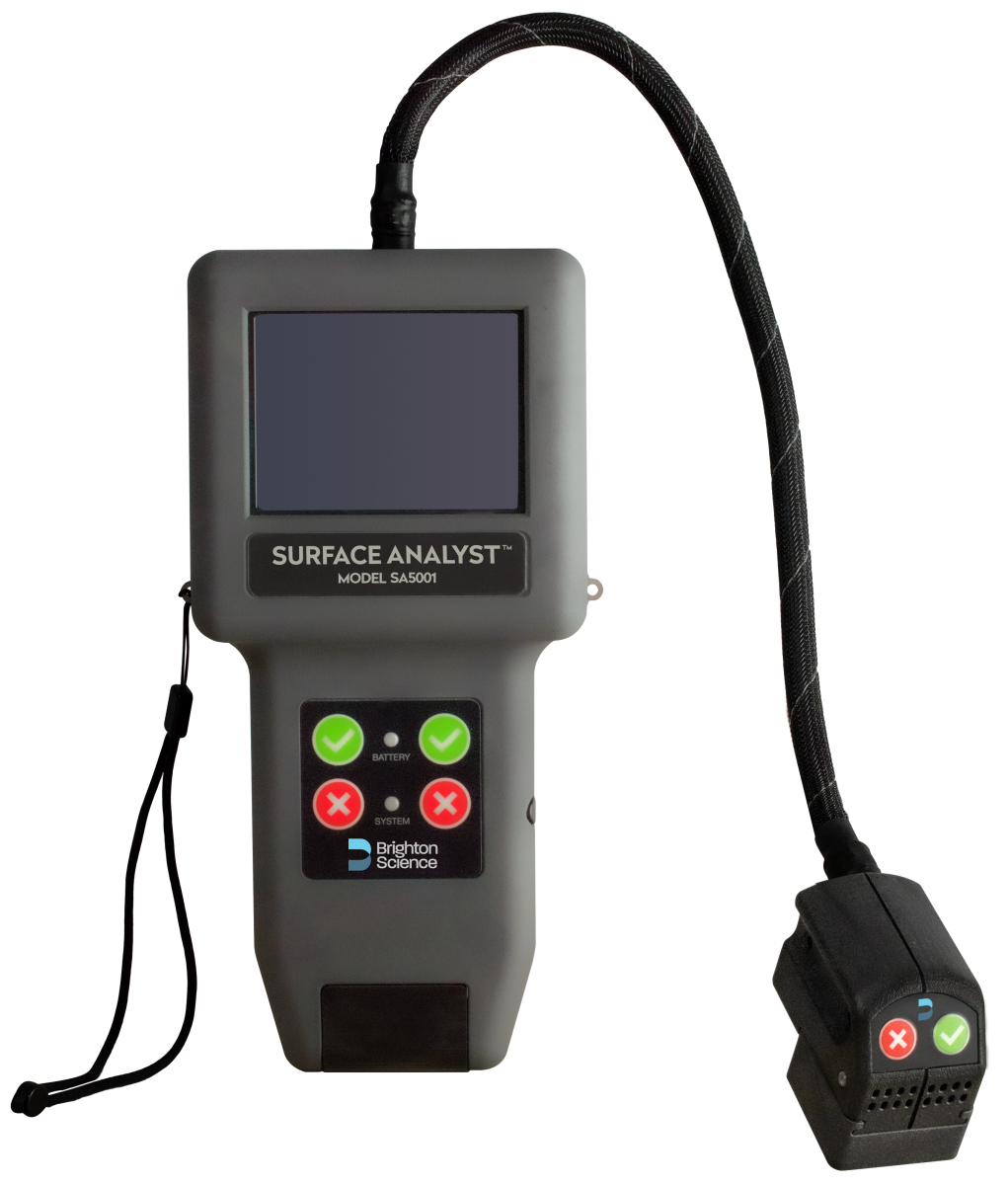
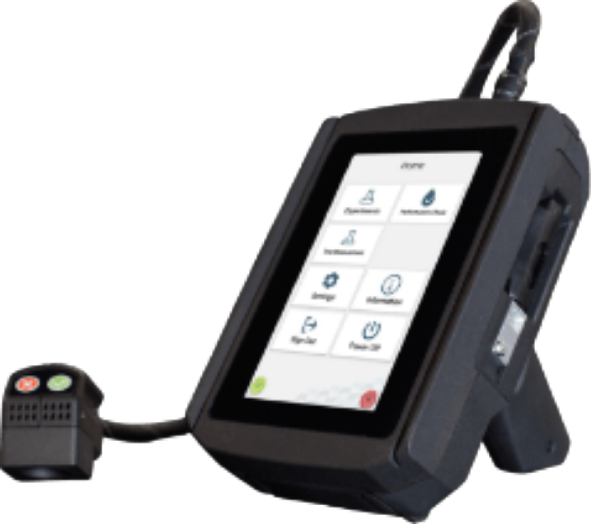
Brighton Science measures the surface directly. Their Surface Analyst technology uses water contact angle to confirm that cleaning, treatment, and preparation have actually done their job, before a single fastener is placed or a drop of adhesive is dispensed. It turns a judgment call into a data point.
That is the gap the acquisition closes. Click Bond removes variability from how a fastener is installed; Brighton Science removes variability from whether the surface was ready to receive it. Wettability data, bond readiness confirmation, and adhesion measurement now sit alongside the fastener itself, adding measurable, scientific confidence from surface to structure.
It is worth being precise about the nature of the fit. Brighton Science does not replace anything in the Click Bond process. It strengthens the foundation every bonded fastener already depends on. Proven fastening, now backed by proven surface data.
Bill Perez, Senior Product & Application Strategy Manager, on why bonded fasteners outperform mechanical fasteners.
Why it matters for production
Aerospace is scaling at an unprecedented rate, and the pressure is on to build faster without compromising quality. That is exactly where bonded fastening earns its place: it improves cycle time, reduces foreign object debris, preserves structural integrity, lowers weight, and cuts cost, all by eliminating the holes that mechanical fasteners require.
Add measurable surface readiness to that equation and the value compounds. Confidence at the surface means fewer reworks, more consistent results, and a process that holds up whether it is the first bond of the day or the thousandth.
Go deeper
The Benefits of Bonding
Improved cycle time, reduced FOD, decreased weight, better structural integrity, and lower cost. See how adhesive-bonded fasteners deliver these all benefits and more.
Benefits of Bonding →