






Common Causes of Adhesive-Bond Failure
What are the most common causes of adhesive-bond failure? Strong bonds require clean surfaces, correct application, and controlled curing.
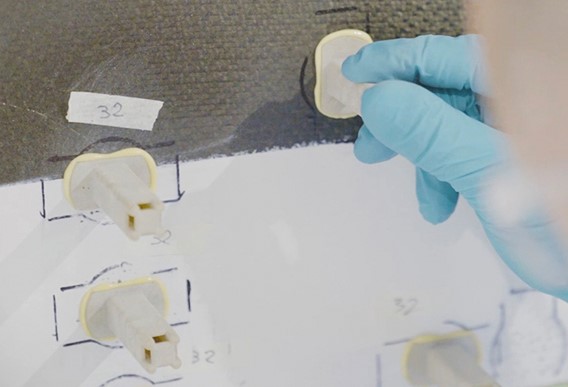
Short Answer:
Bond failures usually result from a lack of surface preparation, improper surface prep, failure to use necessary materials (such as abrasive paper, solvents, wipes), contamination of surfaces, improper adhesive application, presence of coatings and films, or lack of cure control — not from the adhesive or fastener itself.
Full Answer:
Adhesive bonding is a structural joining method that is proven reliable when each step of the process is executed with accuracy and control. Most bond failures occur not because of the adhesive or the bonded fastener, but because of avoidable errors in surface preparation, application, or curing. Recognizing these causes and preventing them through process control is essential for achieving repeatable, compliant results in aerospace and defense environments.
A successful bond depends on three core factors: clean surface, correct adhesive process, and controlled cure environment. When one of these variables is compromised, bond strength and reliability can become degraded.
Common causes of adhesive-bond failure:
- Inadequate surface preparation – Contaminants such as oils, dust, release agents, or oxidation layers prevent proper wetting and adhesion. Even microscopic films can act as weak boundary layers, drastically reducing bond strength. To achieve the strongest and most reliable bond, it is essential to completely remove all coatings from the bonding surfaces. This includes:
- Paints
- Films or protective tapes
- Corrosion-inhibiting primers
- Anodization (anodic coatings)
- Any other surface treatments or oxides
- Failure to fully remove these layers will significantly reduce adhesion and compromise the joint’s performance. Ensuring metal or other substrate is completely clean and bare is essential for optimal bonding.
- Improper or inconsistent surface roughness – Overly smooth or polished substrates minimize mechanical interlock, while overly aggressive abrasion can damage the material or create voids that interrupt adhesive coverage.
- Incorrect adhesive mix or application – Inaccurate adhesive ratios, air entrapment, or uneven coverage can create weak spots and voids that can concentrate stress and potentially lead to bond failure.
- Improper surface prep materials: Using the wrong solvents, abrasive tools, and material wipes can lead to contamination, introduce dyes, or fail to effectively remove contaminants.
- Insufficient pressure during cure – Too little positive pressure prevents the adhesive from fully wetting the surface or expelling air; too much pressure can squeeze out adhesive and starve the bondline. Uncontrolled environmental conditions – Humidity, dust, or temperature extremes beyond the qualified range can affect adhesive chemistry, curing speed, and final strength.
- Delayed bonding after surface prep – Prepared surfaces can quickly reoxidize or attract contaminants from the environment, leading to poor adhesion if bonding is delayed. For optimal bond strength on most substrates, the prepared surface must remain uncontaminated, and the bonding should occur within 2 hours of preparation. If more than 2 hours are allowed to elapse after surface preparation (i.e. abrasion, cleaning, or coating removal), the surface must be fully prepared again before applying the adhesive.
- Improper handling or movement during cure – Vibration or shifting during the cure period can disturb adhesive flow and alignment, weakening the final bond.
- Lack of process verification – Without inspection (e.g. surface analysis, temperature monitoring, test tools, or cure validation), process drift can go unnoticed.
Preventing bond failures with Click Bond’s bonded fasteners
For more than 40 years, Click Bond has supported customers worldwide with reliable bonded fastening solutions that have consistently been proven across aerospace, defense, and naval applications. Our engineered installation systems, process documentation, and quality controls ensure confidence and reliability in every bond.
As your production scales up and programs evolve, Click Bond is ready to grow with you, bringing automation, data capture, and precision through our Automated Bonding Technology (ABT). This technology standardizes surface preparation, processes, temperature, and cure duration to remove human variability, increase throughput, and deliver repeatable, certifiable results at any production rate.
In summary:
Bond failures are rarely the fault of the adhesive or hardware — they’re almost always the result of insufficient surface preparation, process deviation, or environmental contamination. By following Click Bond’s qualified installation procedures, maintaining strict surface-prep discipline, and verifying cure conditions, installers can achieve consistently strong, durable bonds that meet aerospace and defense quality standards.